Understanding Cognitive Biases in Gambling
The world of gambling, whether online or in a physical setting, is deeply intertwined with human psychology. Understanding common cognitive biases is a crucial first step in developing effective gambling strategies. For instance, the ‘gambler’s fallacy’ leads individuals to believe that past independent events influence future outcomes, a misconception that can lead to poor decision-making. Recognizing this bias allows players to approach each game with a clearer, more rational perspective, detached from illusory patterns.

Another prevalent bias is ‘confirmation bias,’ where players tend to seek out and interpret information that confirms their existing beliefs, often ignoring evidence to the contrary. This can manifest as focusing only on winning streaks while downplaying losses. By actively challenging one’s own assumptions and seeking objective analysis of game outcomes, players can mitigate the impact of this bias and make more informed choices about their betting patterns and game selection.
The Role of Emotional Regulation in Gaming
Emotional control is paramount for any serious gambler. The thrill of a win can lead to euphoria, potentially encouraging impulsive bets, while a series of losses can trigger frustration and desperation, leading to chasing losses at increased stakes. Developing robust emotional regulation techniques, such as mindfulness or setting strict betting limits, can help maintain a level head. This allows for consistent application of chosen strategies rather than reactive, emotionally driven decisions.
Learning to disassociate emotions from the outcome of a single hand or spin is a key psychological skill. This involves accepting that luck is a significant factor in gambling and that losses are an inevitable part of the experience. By cultivating a detached, analytical mindset, players can better manage their bankrolls and avoid the destructive cycle of emotional betting, which often leads to significant financial setbacks. This emotional resilience is a hallmark of successful long-term players.
Prospect Theory and Risk Assessment in Betting
Prospect theory, a Nobel Prize-winning concept, offers a powerful lens through which to view gambling decisions. It highlights that people tend to be risk-averse when facing potential gains but risk-seeking when facing potential losses. Understanding this psychological tendency can help gamblers make more deliberate choices about when to bet and when to walk away. For example, recognizing the aversion to small losses might prevent a player from doubling down on a bet they are unsure about.
Applying prospect theory means actively considering the perceived value of both potential wins and losses. A player might be more inclined to take a risk to avoid a small loss than to secure a similar-sized gain. By consciously adjusting for this bias, gamblers can develop strategies that align more with rational risk assessment rather than emotional reactions to potential outcomes. This nuanced understanding can lead to more strategic deployment of bankroll and a more sustainable approach to gaming.
Utilizing Psychological Frameworks for Bankroll Management
Effective bankroll management is not just about setting a budget; it’s about understanding the psychological impact of wins and losses on future decisions. Psychological frameworks suggest that setting clear, unemotional limits for both winning and losing is essential. For instance, deciding in advance to stop playing once a certain profit margin is reached, or a predetermined loss threshold is met, removes the emotional burden of making these decisions in the heat of the moment.
Moreover, the psychological principle of commitment and consistency can be leveraged. By pre-committing to a strict bankroll management plan, gamblers reinforce their resolve. This means resisting the urge to dip into funds meant for future sessions or to chase losses beyond the set limits. This discipline, rooted in psychological self-control, is fundamental to long-term gambling success and preventing the erosion of capital due to impulsive decisions driven by fear or greed.
True Fortune Casino UK: A Platform for Strategic Play
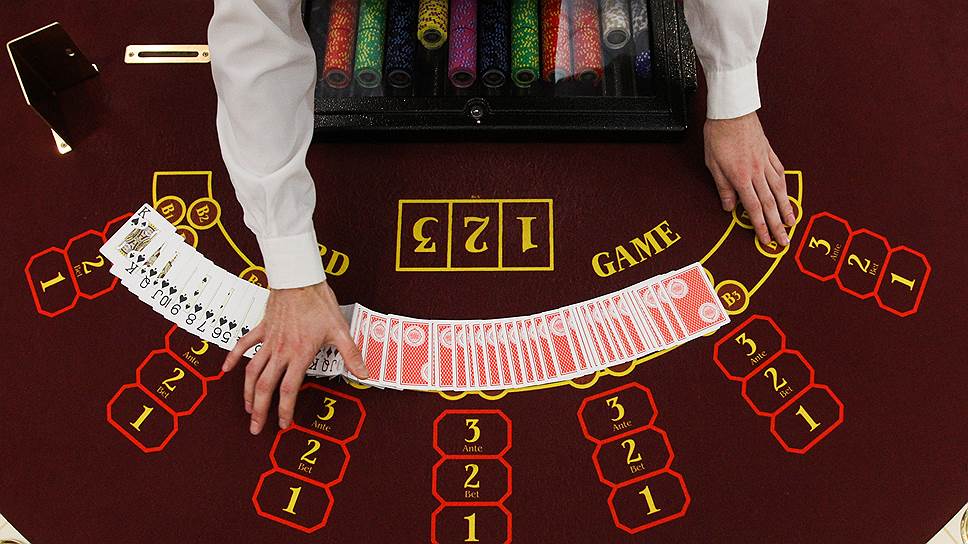
For players looking to apply these advanced psychological strategies in a controlled environment, platforms like truefortune casino offer a comprehensive gaming experience. The casino provides a wide array of games, from classic slots to intricate table games, allowing players to test their strategies across different formats. The availability of various betting options and game mechanics encourages the practical application of concepts like risk assessment and emotional regulation.
True Fortune Casino UK also facilitates disciplined play through its user-friendly interface and accessible information regarding game rules and payout structures. This clarity supports a more rational approach to gambling, reducing the potential for confusion that can lead to biased decision-making. By offering a secure and diverse gaming lobby, the casino serves as a valuable testing ground for honing psychological strategies and cultivating a more sophisticated approach to online gambling, ultimately aiming to foster more informed and controlled player experiences.